Introduction
When it comes to treatments, it’s easy to feel overwhelmed. What is the best option for YOU to add to your pro-ageing routine?
Not only is there lots of choice, which can be confusing, but they also come with a price tag. Many patients end up spending significant amounts trying different options without fully understanding what they are doing — or why.
At Dr Miriam A, we often talk about the layers of the face and how ageing affects each one differently. Changes in the upper face, lower face, and neck occur because the structure and interaction of these layers vary across the face. A simple way to think about ageing is that it happens on two levels: skin ageing and structural ageing.
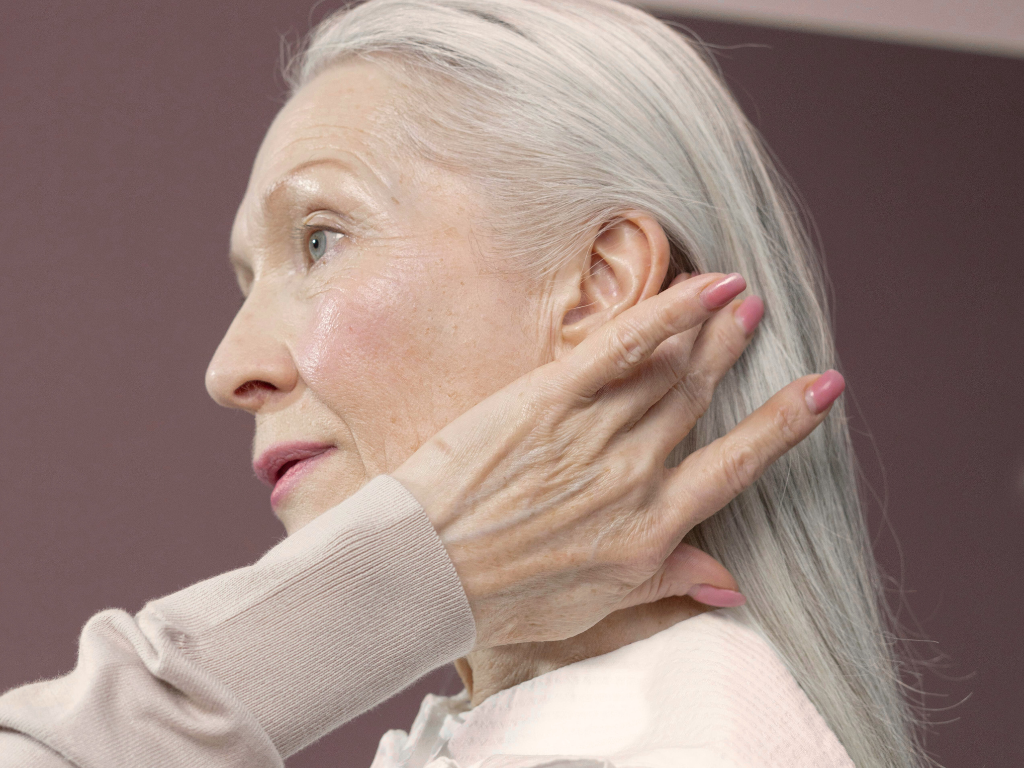
In this blog, we focus on Layer 3 – muscle tone, an often-overlooked contributor to the shape and contour of the face over time. Like the rest of the body, facial muscles respond to stimulation and movement – but not all treatments deliver meaningful or lasting results.
Here are my thoughts, based on scientific evidence and real clinical outcomes, to help you decide what may be worth adding to your pro-ageing routine.
💡 Watch this video to learn more about the Layer 3: The SMAS

Key Messages: Muscle Tone and Facial Shape
| Option | Effect | Dr Miriam A view | |
|---|---|---|---|
| At-home exercises | Face yoga, facial workouts | May improve muscle strength & blood flow; no proven lift | Safe to do, but don’t replace skincare; overdoing can worsen static lines |
| At-home devices | At-home microcurrent | Low-level current causing muscle twitching, lymphatic drainage, and improved circulation | Useful for maintenance if done daily; effects are temporary |
| In-clinic microcurrent | Professional facial microcurrent | Low-level current causing muscle twitching, lymphatic drainage, and improved circulation | Quick, short-term results (~72h), ideal before events |
| In-clinic EMFACE | HIFES + RF | Sustained muscle contraction + collagen stimulation (~30% muscle, ~28% collagen) | One of the few treatments combining muscle & skin; subtle, gradual, requires maintenance |
| In-clinic HIFU (generic) | Focused ultrasound to SMAS | No muscle toning; studies show 18–30% improvement in skin laxity, mainly lower face, neck, and periorbital area | Effective in the right hands, but device quality, depth accuracy, and energy settings vary widely between machines |
| In-clinic Ultherapy | Micro-focused ultrasound to SMAS | No muscle toning, but robust evidence for lifting the SMAS through collagen stimulation | FDA-approved, precise, longer-lasting lift; best for mild–moderate laxity |
Understanding Layer 3: The SMAS
Layer 3 of the face is the superficial musculoaponeurotic system (SMAS) — a fascial sheet that connects underlying bone to the skin. It acts as a structural support layer, while the muscles within it allow for facial expression, speech, and movement.
It’s natural to assume that if we strengthen these muscles, we can lift the face. However, the relationship between muscle activity and facial lifting is not straightforward, and this is where many misconceptions arise.
Face Yoga: Does Exercise Lift the Face?
Facial exercises, often referred to as face yoga, have been practised for centuries. They involve repeated contraction and stretching of facial muscles to improve tone, relieve tension, and increase circulation.
While this may improve how the skin looks temporarily, there is currently no strong scientific evidence that these exercises can lift the face by repositioning the SMAS. In fact, repeatedly activating certain muscles – particularly those involved in frowning or raising the brows – may contribute to static wrinkle formation over time.
That said, there is little harm in these practices if done gently and mindfully, and some patients enjoy them as part of a self-care routine.

Bottom line: Enjoy it if you like it, but don’t rely on it for lifting or long-term structural change.
At-Home Microcurrent: The “Facial Gym” Device
Devices such as NuFace, Foreo, and Medicube have become increasingly popular, offering a form of at-home microcurrent stimulation. These devices deliver very low-level electrical currents to the skin and superficial muscles.
At this low intensity, the current tends to cause muscle twitching rather than true sustained contraction, meaning the primary benefits are likely due to improved lymphatic drainage and increased circulation, rather than meaningful muscle strengthening.
When used on their own, the results may be negligible for many patients. However, when used consistently — typically on a daily basis — these devices can play a role in maintaining results achieved from in-clinic microcurrent treatments, helping to prolong that refreshed, lifted appearance.
As with any routine, consistency is key, and the effects will diminish if use is stopped.
Bottom line: Best thought of as a maintenance tool rather than a treatment, particularly useful if you are already investing in professional treatments and are willing to commit to regular use.
PART 2 COMING SOON...
In Part 2, coming later this month, I’ll compare the in-clinic options and where each one is worth your time and money.
Read Dr. Miriam’s latest blogs
How to Tighten the SMAS Layer and Deep Facial Fat: The Real Secret to Lifting Sagging Jowls


Join Dr. Miriam’s Newsletter
Join our mailing list to receive Dr. Miriam’s seasonal skin care tips, her latest discoveries and special offers
You can unsubscribe at any time by clicking the link in the footer of our emails. For information about our privacy practices, please visit our website.