

Regenerative Polynucleotides
Regenerate your skin.
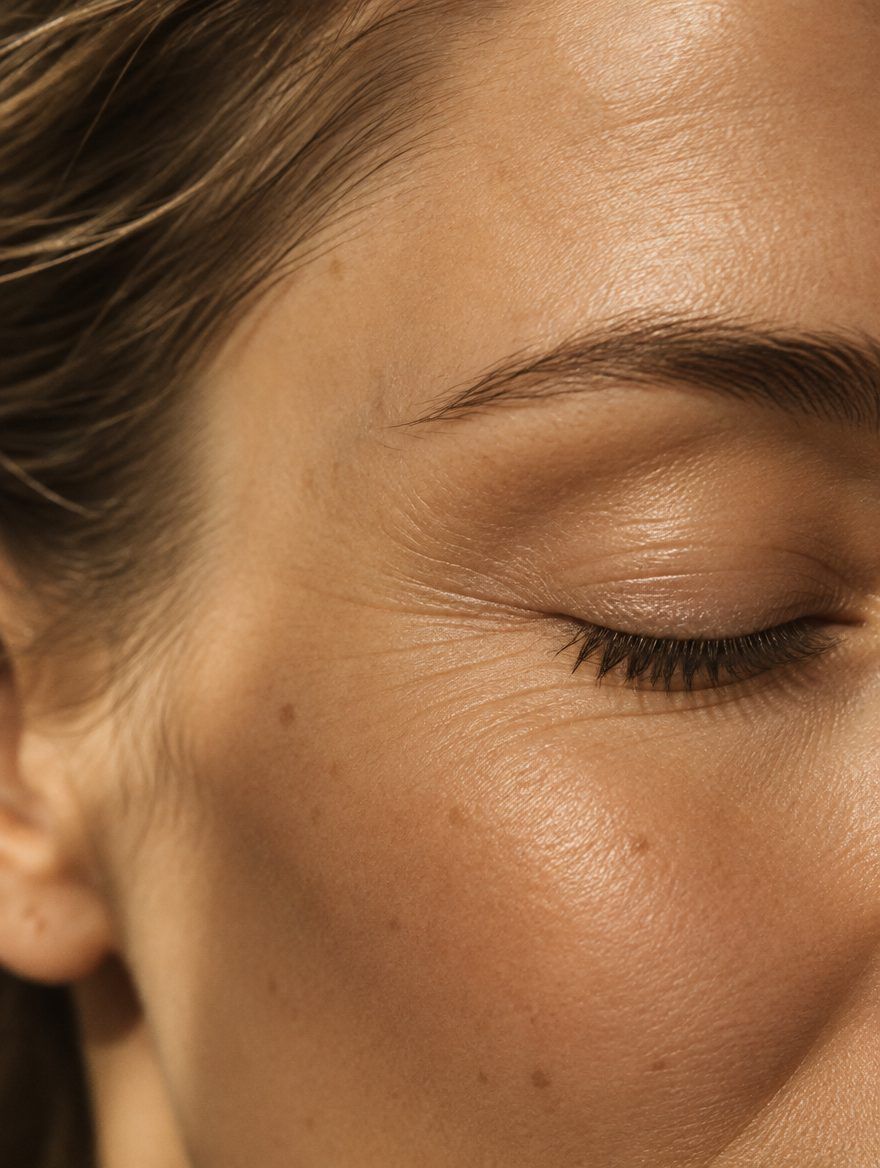
Polynucleotide treatments work at a cellular level to restore skin from within — repairing damaged cells, rebuilding collagen, and improving the skin's ability to hydrate and regenerate itself over time.
At Dr Miriam A's East London Skin Clinic, we use Plinest and Newest — two of the most clinically advanced polynucleotide formulations available — to deliver deep, progressive skin regeneration with natural, long-lasting results.
| Treatment time | 30 mins |
|---|---|
| Recovery | Approx. 3 days |
| Results start | 3–6 months |
| Results last | Long term |
| Cost | From £360 |
Every face is unique — that's why we begin with a personalised consultation at the start of every appointment to assess your skin concerns, discuss your goals, and create a tailored plan for your treatment.
Areas that can be treated
Exact prices are shown when you book and discussed at your consultation.
- Full face
- Eye areaTear trough, under-eye and periorbital skin.
- Lips and peri-oral area
- Neck
- Hands
Questions, answered
What is it?
Polynucleotides (PN) are highly purified, biocompatible molecules derived from DNA fragments. Far from being a new discovery, polynucleotides have been used in medicine since the 1950s — originally in hospitals to assist wound healing in patients with burns and open wounds, where their ability to accelerate tissue repair was well established. Their use in aesthetic medicine began around 2005, and there is now a strong body of clinical evidence supporting their safety and efficacy for skin regeneration. At Dr Miriam A's clinic, we use Plinest and Newest — two premium polynucleotide formulations developed by Mastelli, with robust clinical data behind them.
How does it work?
When injected into the skin, polynucleotides bind to receptors on fibroblasts — the cells responsible for producing collagen, elastin, and hyaluronic acid. This stimulates a cascade of regenerative activity: damaged cells are repaired, collagen fibres are rebuilt, and the skin's capacity to retain moisture is restored. Polynucleotides also have significant anti-inflammatory properties, making them particularly effective for sensitive, reactive, or compromised skin. Unlike treatments that add volume or hydration from the outside in, polynucleotides restore the skin's own regenerative capacity — the results are gradual, natural, and progressive.
What does it treat?
Fine lines and early signs of ageing; loss of elasticity and skin laxity; dull, dehydrated, or tired-looking skin; acne scarring and post-inflammatory marks; sensitive, reactive, or inflamed skin; thin, crepey skin; pigmentation and uneven skin tone. Treatment areas: full face; eye area (tear trough, under-eye, and periorbital skin); lips and peri-oral area; neck; hands. Price: £360 per session.
How many treatments do I need?
A course of 3–4 sessions spaced approximately 2–4 weeks apart is recommended for optimal results. This allows each treatment to build progressively on the last, with cumulative improvement in skin quality, texture, and hydration. Maintenance sessions every 6–12 months can sustain and further improve outcomes if desired.
What results can I expect?
Improved skin hydration and radiance; smoother texture and reduced fine lines; increased elasticity and firmness; reduction in acne scarring and post-inflammatory marks; calmer, less reactive skin; a healthier, more luminous complexion. Results begin to appear within 3–6 months of the last course session. The full benefit of a course is typically visible 4–6 weeks after the final session.
Is treatment painful?
This treatment is a little more uncomfortable than most injectable treatments. Polynucleotides can cause stinging during the injection process, which can be somewhat reduced by applying a topical numbing cream beforehand. Most patients find it manageable, and the discomfort settles quickly once the injections are complete.
What is the recovery time?
Approximately 3–5 days for swelling to settle — particularly around the eyes, where swelling can be more noticeable. Minor redness or tenderness at injection sites is normal and usually resolves within a few days. Most patients resume normal activities immediately.
What are the side effects or risks?
Temporary redness, swelling, or bruising at injection sites; swelling around the eye area can be more pronounced and typically settles within 3–5 days; mild tenderness for a few days post-treatment; rarely, allergic reaction. All risks will be discussed at consultation.
Can it be reversed?
No — however, polynucleotides do not remain in your body. They are injected and instruct your cells to become more productive, but are naturally eliminated from the body within days of treatment. What remains are the improvements your cells have been stimulated to make — and these gradually diminish over time if maintenance treatment is not continued.
Is it safe for everyone?
Safe for most healthy adults. Treatment should be avoided if you: are pregnant or breastfeeding; have active skin infections in the treatment area; have a known allergy to polynucleotides or fish (Plinest and Newest are derived from salmon DNA). If you have an autoimmune condition, please discuss it at consultation.
What should I do before my appointment?
Avoid blood-thinning medications (aspirin, ibuprofen) 24–48 hours prior. Arrive with clean skin and no make-up on the treatment area. Inform your clinician of any medical conditions, allergies — particularly to fish — or previous skin treatments.
What should I do after treatment?
Avoid massaging or applying pressure to the treated area for 24 hours. Apply gentle skincare and daily SPF — avoid active ingredients for 48 hours. Avoid strenuous exercise, alcohol, and heat exposure for 24 hours. Monitor for minor swelling or redness and contact the clinic if concerns arise. Stay well hydrated to support the treatment's regenerative effects.
Alternatives
Other routes to the same goal, often gentler or more gradual. We'll talk through them at consultation.
HA Skin Booster Injections
Surface hydration and luminosity
Purasomes & Microneedling
Growth factor treatment for enhanced firmness, elasticity, and radiance
Microneedling
Stimulate collagen and improve skin texture
Dermal Filler Injections
Restore volume and structural support
Resurfacing Facials
Surface renewal and improved texture
Combines well with
Skin ConsultationActive SkincareMuscle Relaxing InjectionsDermal Filler InjectionsHArmonyCa™HA Skin Booster InjectionsFiller Dissolving (Hyaluronidase)Muscle Slimming (Masseter & Trapezius)Fat Tissue Reduction (Deoxycholic Acid)Sweat Reduction TreatmentPurasomes & MicroneedlingMicroneedlingResurfacing FacialsBespoke FacialsCelluma LED Red Light TherapyCosmetic AcupunctureVitamin D Intramuscular InjectionsVitamin B12 Intramuscular InjectionsMap My MoleCryoPen for Benign Skin LesionsEyelash Growth Treatment
Regenerative polynucleotides are safe to combine with all treatments offered at Dr Miriam A's clinic. They work particularly well as part of a layered skin health programme.Unsure which treatment is right for you?
30 minutes of dedicated time, in person or remotely, to discuss your options and personalise a plan for your skin.
Why choose Dr Miriam A

- Expert in advanced regenerative and anti-ageing treatments
- Uses Plinest and Newest — premium, clinically proven polynucleotide formulations by Mastelli
- Personalised treatment plans tailored to your skin's specific needs and concerns
- Focus on long-term skin health — not just immediate results
- Calm and professional clinic environment