
Botox beyond beauty: the unexpected ally in physical and emotional wellness
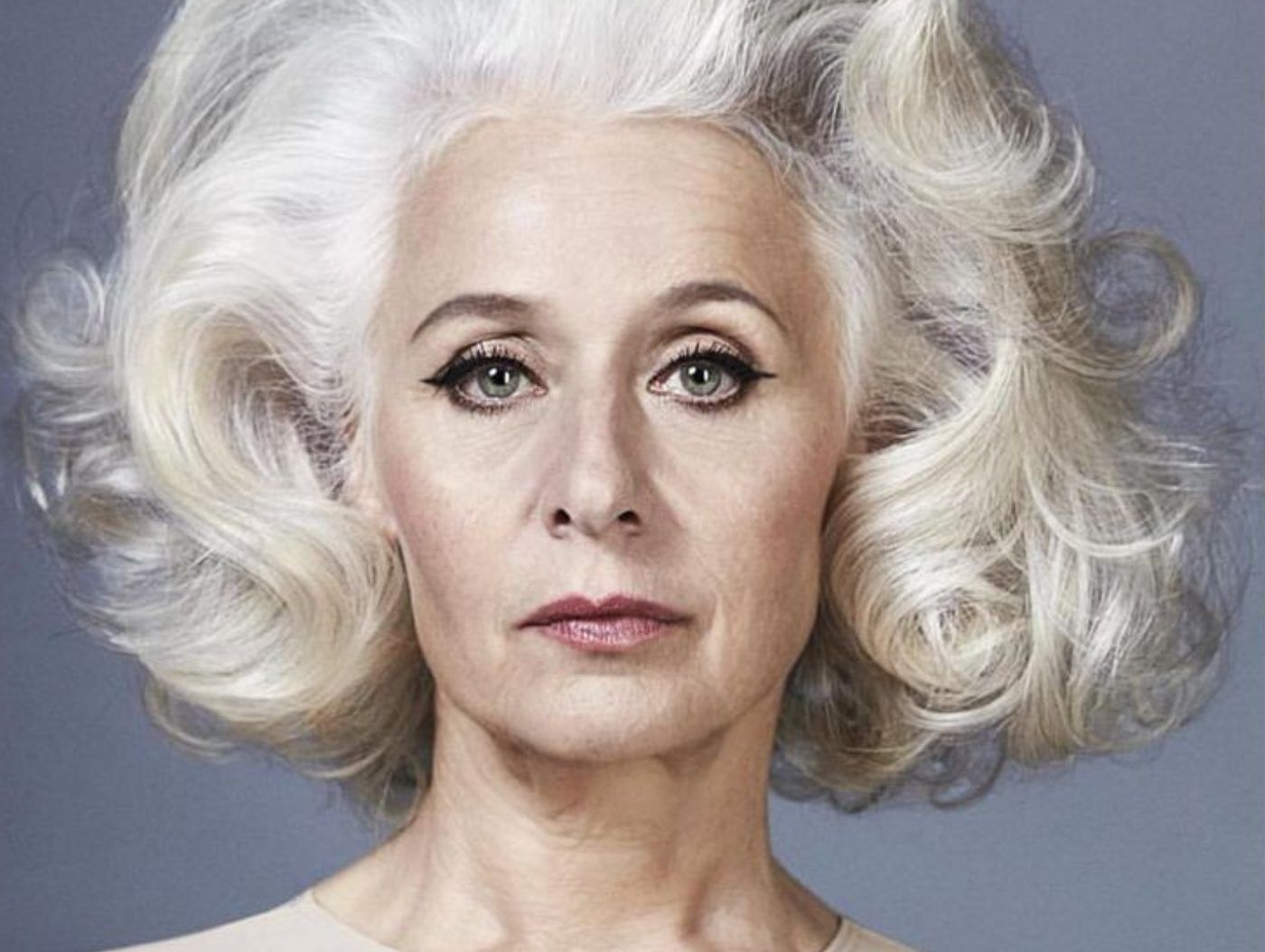
In the ever-evolving world of beauty and wellness, Botox has long been celebrated for its wrinkle-smoothing prowess. Yet, beyond its cosmetic acclaim, did you know that this neurotoxin is carving a niche in therapeutic realms?
At Dr Miriam A’s East London clinic, our ethos is different; what sets us apart is our passion for integrating aesthetics with skin health and genuine wellbeing. It’s not just about looking good (though, let’s be honest, that’s a lovely side effect); it’s about feeling informed, empowered, and more connected to your body and mind.
So yes, Botox smooths. But this month, we’re talking about the other side of it—the surprising role it’s quietly playing in both physical and emotional health.
Book a consultationSee treatments
From aesthetic enhancer to therapeutic marvel
Originally harnessed to treat muscle spasticity, Botox's journey into the medical spotlight began with its ability to relax overactive muscles. Patients recovering from strokes or children with conditions causing uncontrollable muscle contractions found solace in its muscle-paralysing effects, which facilitated rehabilitation and improved quality of life.
In surgical settings, Botox has long been employed to alleviate conditions as via its ability to relax various muscles, it promotes healing and reduces pain during healing. Similarly, its application in minimising muscle tension around scars has shown promise in reducing scar formation by preventing excessive pulling on healing tissues.
A new frontier in pain management
Chronic pain sufferers may also find unexpected relief through Botox. Targeting areas such as the masseter muscle for example eases the discomfort associated with teeth grinding and jaw clenching, while injections into the trapezius muscles can alleviate shoulder tension (you may have heard of this referred to as “Traptox”). Using Botox to relieve these muscles, can also contribute to a more contoured jawline and neck, so if these are areas that a patient is self-conscious about, we can use treatment here to streamline and slim.
The emotional lift: Botox and mental well-being
Beyond its physical benefits, Botox is also making waves in the realm of mental health. Research indicates that injections into the glabellar region—the area between the eyebrows—can alleviate symptoms of depression. (study here https://pmc.ncbi.nlm.nih.gov/articles/PMC9231293)
This is due to the facial feedback hypothesis which suggests that our facial expressions can influence our emotional experiences, so by inhibiting the muscles responsible for frowning, Botox may reduce the intensity of negative emotions.
Preventative care: The generational approach
We’ve also observed a noticeable shift in how different generations are approaching Botox. Traditionally, our Gen X patients—typically in their 40s and 50s—have sought out Botox treatments primarily to soften the appearance of existing lines and wrinkles, using it as a corrective tool to restore a more youthful look. In contrast, our millennial patients are redefining the role of Botox in their skincare routines. Rather than waiting for visible signs of aging to appear, individuals in their late 20s to early 30s are increasingly embracing Botox as a preventative measure. The goal for this younger demographic isn’t to reverse aging, but to delay its onset altogether. By limiting the muscle movements that contribute to expression lines—such as frowning, squinting, or raising the eyebrows—these patients are proactively working to prevent static wrinkles from developing in the first place. For many, Botox has become less about “anti-aging” and more about maintaining a fresh, well-rested appearance for the long term, seamlessly integrating the treatment into a broader, wellness-focused skincare regimen.
A multifaceted tool for holistic well-being
Botox's evolution from a cosmetic enhancer to a multifaceted therapeutic tool underscores its versatility - whether alleviating physical discomfort, enhancing emotional well-being, or serving as a preventative skincare measure, treatment can offer a range of benefits.
If you’d like to find out more about how we use Botox at Dr Miriam A to support our patients, schedule a consultation with us to determine how we can best tailor it to your needs. We take a very cautious and “less is more” approach to achieve subtle results – no frozen faces here!
QUICK FACTS BOX:
How does Botox work?
Botox partially blocks nerve impulses signalling the muscle, so that the muscle is more relaxed or resting. This change in muscle activity causes reduced skin creasing and smooths fine lines over time. In some areas, it can lift the tissues too.
What areas can be treated with Botox?
- Frown lines
- Horizontal forehead lines
- Crows feet + under eye lines
- Bunny nose lines
- Hook nose
- Gummy smile
- Pebble chin
- Stringy neck
Botox Beyond Beauty :
The unexpected ally in physical and emotional wellness
In the ever-evolving world of beauty and wellness, Botox has long been celebrated for its wrinkle-smoothing prowess. Yet, beyond its cosmetic acclaim, did you know that this neurotoxin is carving a niche in therapeutic realms?
At Dr Miriam A’s East London clinic, our ethos is different; what sets us apart is our passion for integrating aesthetics with skin health and genuine wellbeing. It’s not just about looking good (though, let’s be honest, that’s a lovely side effect); it’s about feeling informed, empowered, and more connected to your body and mind.
So yes, Botox smooths. But this month, we’re talking about the other side of it—the surprising role it’s quietly playing in both physical and emotional health.
Book a consultationSee treatments
Why Botox Is More Than Just a Cosmetic Treatment
Botox (Botulinum Toxin) has become synonymous with anti-aging—but its original story is rooted in medicine. Discovered in 1822, Botox has been used to treat muscle disorders, chronic pain, tension, scarring, and even depression.
At our East London aesthetic clinic, we go beyond traditional beauty. Our mission is to empower patients with knowledge, choice, and confidence—not just in how they look, but how they feel.
Botox for Medical and Therapeutic Use
Muscle Relaxation and Surgical Recovery
Botox revolutionised the management of muscular eye conditions and spasm in stroke patients. Its ability to relax overactive muscles helps to restore mobility, promote healing, and ease pain. In surgical contexts, Botox aids healing by reducing muscle strain and preventing excess scar formation—particularly useful in facial or reconstructive procedures.
Chronic Pain Relief and Functional Aesthetics
If you suffer from tension headaches, teeth grinding (bruxism), or shoulder tightness, Botox can provide welcome relief. Injections into the masseter muscles reduce jaw pain and clenching, while trapezius muscle Botox—also known as “Traptox”—helps ease upper body tension. These applications not only reduce discomfort but may enhance facial and neck contouring for a slimmer silhouette.
Botox for Mental Wellbeing and Emotional Balance
Did you know Botox may also support mental health? Research shows people feel more confident in their appearance, report higher self-esteem, and also note a positive change in how others respond to them. Research also shows that our facial expressions influence our emotions, so reducing the ability to frown thereby reduces feelings of sadness and anger. (Source) This effect is linked to the facial feedback hypothesis: if your face can’t express negative emotions as strongly, your brain may interpret fewer feelings of sadness or anxiety.
Isn’t that fascinating?
Botox by Generation: Preventative vs. Corrective Treatment
- Millennials (late 20s–30s): Preventative Botox - can be used approximately twice yearly to slow the development of fine lines. Preventative Botox works by relaxing key expression muscles before creases become deeply embedded. Think of it as investing in your future skin, not just fixing what’s already there.
- Gen X (40s–50s): Corrective Botox - can be used more regularly to prevent existing lines from getting worse and encourage collagen repair to restore skin health.
An Underestimated Wellness Treatment
Botox is now a versatile treatment for:
1. Skin health Muscle control for MANY conditionsEmotional well-being
At Dr Miriam A’s East London clinic, we tailor every Botox plan to your goals—never overdone, always natural. Subtle results. Confident outcomes.
Book a consultationSee treatments
Botox Treatment Quick Guide
How does Botox work?
Botox blocks nerve impulses that signal muscles to contract. This creates a more relaxed expression and reduces dynamic wrinkles. Over time, lines soften and skin texture improves. In some areas, Botox also lifts the tissue slightly.
Common Areas Treated:
- Frown lines (glabella)
- Forehead creases
- Crow’s feet
- Under-eye lines
- Bunny lines (nose)
- Gummy smile
- Chin dimpling
- Neck bands
- Hook nose shaping
Experience Botox Differently in East London
We believe Botox should never be one-size-fits-all. Whether you’re exploring it for the first time or want to address physical discomfort, our team offers safe, ethical, and expertly delivered treatments with a focus on wellness, not just beauty.
Book a consultationSee treatments
Botox Benefits: Beauty, Pain Relief & Mental Wellness | Dr Miriam A
Discover how Botox goes beyond beauty. Learn its surprising uses in pain relief, scar healing, and mental health at Dr Miriam A’s East London clinic.